The first meaning is the original one.
User-generated content is anything people make and share on their own: a review on Google, a photo of a new couch with the brand tagged, an unboxing video nobody paid for. The brand does not make it.
Guide, updated 1 Nov 2026
UGC stands for user-generated content: reviews, photos and videos made by people instead of the brand. In marketing it also names a style of video ad. Here is what it means, what UGC ads look like, and where AI UGC fits.


01Short answer
UGC creators make the second kind for a fee. More on each below.
02Good to know
The first meaning is the original one.
User-generated content is anything people make and share on their own: a review on Google, a photo of a new couch with the brand tagged, an unboxing video nobody paid for. The brand does not make it.
The second meaning comes from advertising.
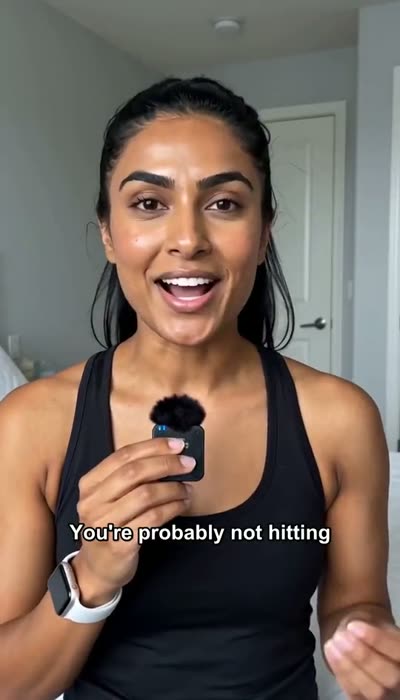
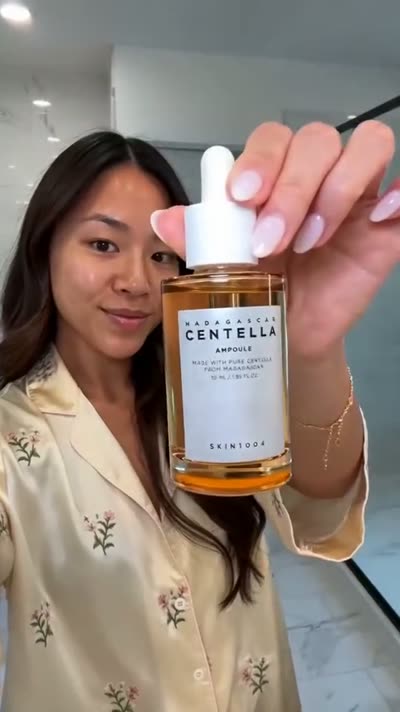
Videos that look like a customer post sit naturally in the feeds people already scroll, so brands pay creators to make videos in that style. Those creators are called UGC creators, and their videos are called UGC or UGC ads, even though a brand paid for them.
When a marketer says "we need UGC", they almost always mean the second kind: a short, vertical video of a person talking to camera about a product.
03Samples
Six of our AI UGC samples. Vertical, about 15 seconds, one person talking to camera about one product. Press play, sound on.
The creators in these videos are AI-made. Brand names appear in the samples as examples of the format. They show what the work looks like, not results for any brand.
04Good to know
Most UGC ads share the same parts.
A first line that stops the scroll, called the hook. A problem the viewer knows. The product doing its job, in someone's hand. A detail or two that sets it apart. And a short call to action.
We write every script on those five beats: hook, problem, solution, awareness and action.
The UGC script template splits four full scripts into beats, and TikTok hooks has 52 opening lines sorted by type.
05Good to know
Influencer posts usually go out on the creator's own account, to their followers.
You pay for the reach as much as for the video.
UGC creator videos are usually delivered to the brand, which posts them or runs them as ads.
You pay for the video and the right to use it. Running it as a paid ad often costs extra: Billo puts usage rights at 20% to 50% on top of the creator fee.
AI UGC keeps the video style and makes the creator with AI.
Your product stays real, shown from your photos. There is no product to ship and no creator to book. The full comparison is in AI UGC vs creator UGC.
06Questions
User-generated content: content about a product or brand made by people rather than by the brand itself.
Most often, a short vertical video of a person talking to camera about a product, in the style of a customer post. Brands pay UGC creators to make them, or use AI UGC, and post them or run them as ads.
Someone who makes UGC-style videos for brands, for a fee. The brand usually gets the video to post or run as an ad, instead of the creator posting it to their own followers.
Billo puts creator fees at $50 to $150 a video for new creators and $150 to $350 for experienced ones, and usage rights for ads at 20% to 50% on top. The UGC cost guide has the full list and a calculator.
It uses the same video style, but the creator is made with AI, so it is not content from a real customer. That is why we label our creators as AI-made.
07Explore
52 opening lines from our samples, sorted into 10 types
Five beats, a fill-in template and four real scripts
Creator rates, add-ons and a calculator
Cost, speed and rights, side by side
Walkthroughs from photos, 3D fly-throughs and more, with examples
Prices from 11 US agencies and a calculator
See what UGC can do for your product. The first video is free.
Claim my free video